
We’re Losing Bees Fast !
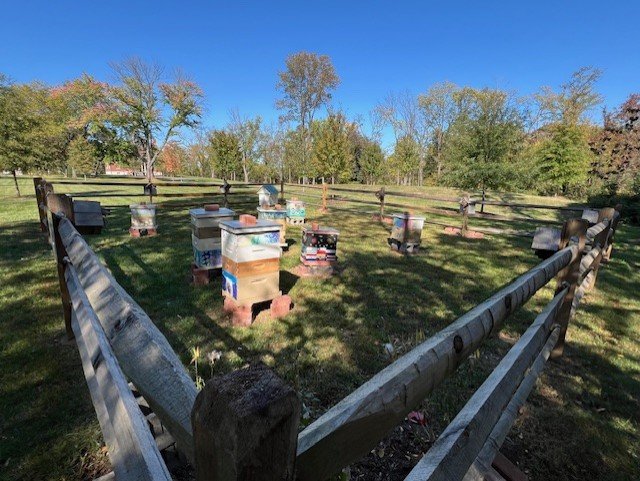
Losing bees threatens our food diversity and the bounty of healing gifts they offer—but we can help protect them before it’s too late.
Emma Suttie (D.Ac, AP) is an acupuncture physician and has written extensively about health for multiple publications over the past decade. She is now a health reporter for The Epoch Times. Read the article below…
Much of The Supermarket Honey is Fake!
Current research has shown that much of the honey purchased in supermarkets is fake and may be unhealthy!
Recent studies and investigations have raised serious concerns about the purity and safety of many commercially available honeys. Key findings include:
Adulteration with sugar syrups: A large portion of supermarket honey has been found to contain added sugars such as corn syrup, rice syrup, or inverted sugar syrups. These are often blended into honey to increase volume and lower costs.
Mislabeling and origin fraud: Some products labeled as “pure,” “raw,” or from a specific geographic origin have been shown to be blended or sourced from multiple countries without accurate labeling.
Heat-treated and ultra-filtered honey: Processing that removes pollen and applies high heat can destroy beneficial enzymes and nutrients, reduce antioxidant levels, and make it harder to detect adulteration.
Potential health concerns: Adulterated honey lacks the nutritional benefits of genuine honey (antioxidants, enzymes, trace minerals). Excess sugars contribute to caloric load and metabolic risk. In rare cases, contamination with antibiotics or environmental pollutants has been reported.
Detection challenges: Sophisticated adulteration methods can be difficult to detect with standard tests, requiring advanced isotope or chemical fingerprinting techniques that aren’t routinely used for all products.
How to choose safer, higher-quality honey
Buy local and from trusted beekeepers: Local producers are more likely to sell raw or minimally processed honey and can tell you how it was produced.
Look for raw, unfiltered, and minimally processed labels cautiously: These terms aren’t fully regulated, but combined with a reputable source they can be meaningful.
Check for pollen: Raw, unfiltered honey typically contains visible pollen and may crystallize; absence of pollen can be a red flag for ultra-filtered products.
Favor single-origin jars or small-batch producers: Smaller producers are less likely to mix in inexpensive syrups.
Request transparency: Ask sellers about processing methods, antibiotic use, and whether they test for purity.
Be skeptical of very low prices: If a jar’s price seems too good to be true, it may be diluted.
Why local beekeepers matter
Supporting local beekeepers helps ensure transparency, supports pollinator health in your region, and gives you access to honey that retains more of its natural properties. At Six Bees of Virginia, we prioritize honest sourcing and education about real honey versus adulterated products so you can make informed choices.
If you’d like, we can recommend how to read honey labels, suggest questions to ask local suppliers, or describe simple at-home checks for honey authenticity.